


Guide to White-Glove Moving in Dallas

People searching for white-glove movers in Dallas art and antiques designer pieces usually are not shopping for basic labor. They need a mover that can protect valuable contents, expensive finishes, tight schedules, and privacy. In Dallas, true white-glove moving is a planned, premium relocation process for homes where art, antiques, designer furniture, marble, wine, pianos, and heirlooms all require careful handling from the first walkthrough to the final placement.
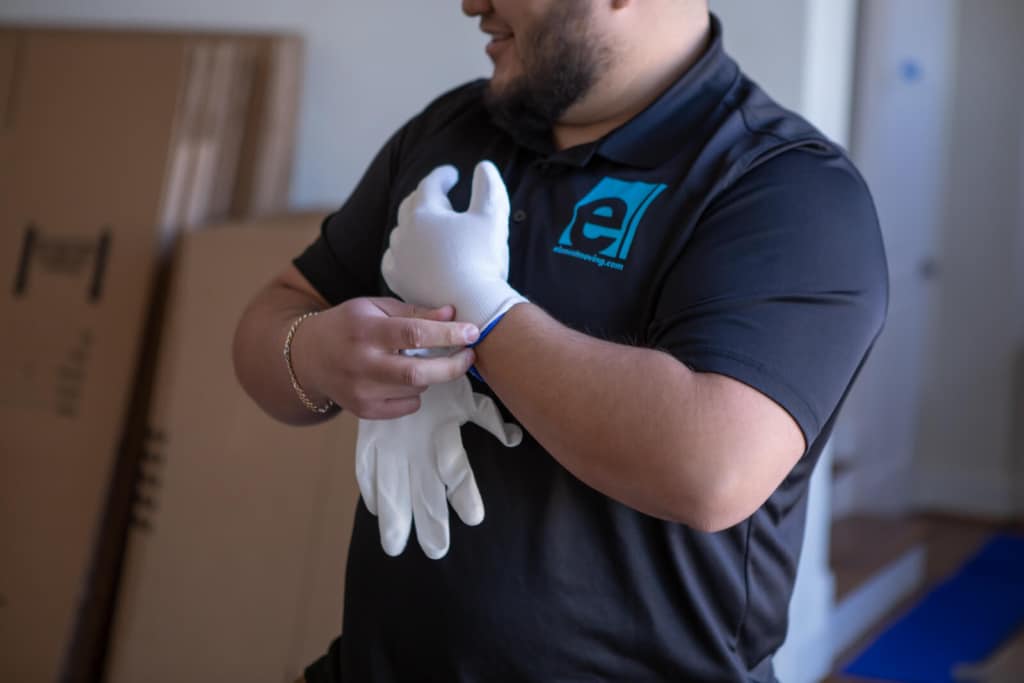
What White-Glove Moving Means for Dallas Luxury Homes
White-glove moving is not just “being careful.” It is a higher service standard built around planning, documentation, protection, controlled handling, and in-home completion. The best luxury movers Dallas homeowners hire do not improvise around a six-foot mirror, a marble table, or a custom sectional on moving day. They identify the risk before anything is lifted.
Standard movers usually focus on loading, transport, and unloading. Full-service movers may also pack the household. Retail white-glove delivery often means a delivery team brings in a new item, assembles it, and removes packaging. Relocation-focused white-glove movers manage the entire move: the property, the contents, the timing, the access rules, the placement plan, and the handoffs.
That distinction matters for luxury home movers in Dallas; clients are comparing. A whole-home white-glove move may include fine art, antiques, designer furnishings, marble and stone pieces, oversized mirrors, chandeliers, wine, pianos, heirlooms, custom beds, high-end rugs, and one-of-a-kind decor. The goal is not just to avoid broken items. It is to complete the move with less disruption, less risk, and fewer loose ends.
Dallas Luxury Moves That Need White-Glove Planning
Dallas luxury moves often involve more than square footage. Highland Park, University Park, Preston Hollow, Bluffview, Southlake, gated communities, and large estate homes can bring long driveways, security instructions, marble floors, custom staircases, delicate landscaping, and multiple destination rooms. Experienced Highland Park movers should know how to plan around both the home and the inventory inside it.
Luxury high-rises add another layer. Uptown, Turtle Creek, Downtown, and Arts District buildings may require certificates of insurance, freight elevator reservations, padded elevator interiors, concierge coordination, loading dock check-ins, limited parking, and time-restricted move windows. A late truck or unprepared crew can create problems before the first item reaches the elevator.
Estate moves are different again. They often involve multi-room inventories, heirloom documentation, downsizing decisions, deliveries to multiple heirs or residences, storage, donations, auction pickups, and staged timing. Estate movers Dallas families trust should be able to separate what stays, what moves, what goes to storage, and what needs special documentation.
Privacy is part of the service expectation. Affluent households, public figures, executives, collectors, and estate representatives may need discreet scheduling, limited crew access, alarm coordination, and clear communication through one approved contact.
Pre-Move Planning: Inventory, Condition Reports, Valuation, and Privacy
The real quality of a white-glove move is often decided before moving day. Premium service starts with evaluation, not guesswork. A strong plan turns a large, complicated home into a controlled sequence.
Room-by-room walkthrough and access assessment
A proper walkthrough should be room by room and item by item. The mover should measure oversized pieces, note stairs and tight turns, check elevators, identify door removal needs, map loading routes, and flag pieces that require disassembly, liftgates, specialty dollies, extra crew, or crating. This is when a marble top, sectional, chandelier, or oversized canvas gets its own handling plan.
Estate and whole-home inventory
Large homes need clear inventory control. Item IDs, photos, labels, destination rooms, and priority lists reduce confusion when several rooms look similar or when delivery happens in phases. For estate transitions, an inventory also helps separate keep, sell, donate, store, and deliver-to-family groups before the truck is loaded.
Condition documentation and chain of custody
Condition reports protect the client and the mover. Antique case goods may already have finish wear. Frames may have chips. Leather may show creasing. A white-glove team documents pre-existing conditions with photos, notes, frame and glass details, hardware tracking, crate labels, and item labels. Chain of custody should be clear from packing through transport, storage if needed, and final placement.
Valuation and coverage conversation
White-glove planning should include a plain conversation about protection options. Basic released liability is limited. Declared value or full-value protection may increase the mover’s responsibility, but the terms vary. Separate homeowner, collector, or fine-art insurance may also apply. Receipts, appraisals, and recent documentation can be useful when items are high-value, inherited, custom, or difficult to replace.
Privacy and communication protocol
Premium moves work best with one point of contact. That person approves access, receives updates, confirms room placement, and handles decisions when the crew finds an issue. For sensitive households, the plan may also include restricted areas, discreet scheduling, security gate instructions, alarm coordination, and documentation shared only with authorized parties.
How White-Glove Movers Protect Art, Antiques, and Designer Furnishings
Protection is where white-glove service becomes visible. The right materials and sequence can prevent cracked glass, rubbed finishes, crushed corners, loose joints, chipped stone, and punctured upholstery.
Fine art, mirrors, sculpture, and framed works
Paintings, mirrors, sculpture, and framed works need more than a moving blanket over the front. Depending on the piece, protection may include corner guards, glass protection, surface-safe wrapping, foam buffering, rigid outer protection, upright handling, and pressure control. Oversized canvases, shadow boxes, glazed works, and pieces with fragile surfaces may call for dedicated fine art movers in Dallas who know when padded handling is enough and when a crate or art-specific crew is safer.
Antiques, heirlooms, and older furniture
Antiques bring risks that newer furniture may not. Veneer can lift. Lacquer can scratch. Carved details can snap. Old repairs, brittle finishes, and fragile joinery can fail if a piece is lifted from the wrong point. Experienced antique movers in Dallas should evaluate how the item is built before deciding how to wrap, lift, disassemble, or brace it.
Designer furniture and custom interiors
Designer furnishings often combine materials that need different handling. A single piece may include custom upholstery, leather, lacquer, metal, glass, stone, or delicate trim. Sectionals may need careful disassembly. Custom beds may have hardware that must be tracked. Millwork pieces, sculptural lighting, high-end rugs, and statement chairs need finish-safe materials and ccarefulhandling so dirt, compression, and abrasion do not bcausereal damage.
Marble, stone, oversized mirrors, and irregular pieces
Stone and glass are unforgiving. Marble tops often need to be separated from their bases and packed flat or upright, depending on the material and design. Oversized mirrors and irregular pieces may need liftgates, specialty dollies, blocking, and route planning through staircases, elevators, or narrow halls. The crew should know where hands go, how the piece rotates, and what position reduces stress in the truck.
Wine, pianos, and other specialty household assets
Premium whole-home moves often include items that deserve separate handling plans. Wine may be temperature sensitive. Pianos need trained lifting and stable transport. Safes, gym equipment, collectibles, and delicate electronics can affect crew size, equipment, load order, and timing. Custom crating is one useful tool, but white-glove service is the broader system that decides when each tool is needed.
The Whole-Home White-Glove Process: From Packing to Placement
A high-end move is not a collection of separate tasks. It is a managed process. Packing, labeling, loading, storage, delivery, unpacking, and placement should all support the same plan.
Professional packing and labeling
Professional packing should account for fragile rooms, closets, kitchens, libraries, collections, wardrobe needs, and high-value decor. Labels should identify contents, destination rooms, priority, and handling notes. In large homes, clear labeling prevents boxes from landing in the wrong suite, guest room, garage bay, or storage area.
Controlled loading and transport
Loading order matters. Fragile items should be isolated from pressure, heavy pieces should not bear down on vulnerable finishes, and awkward items should be secured for ride stability. Liftgates can be safer than steep ramps for heavy or irregular pieces. Fewer handoffs, direct routing, and minimized dwell time also matter in Dallas heat.
Storage during renovations or delayed closings
Storage is common with remodels, delayed closings, estate transitions, high-rise delivery windows, and phased move-ins. Sensitive items may need different packing for storage than for same-day delivery. A white-glove plan should clarify inventory, storage conditions, access rules, and how items will be handled upon leaving storage.
Unpacking, debris removal, and punch-list support
White-glove service should leave the home usable, not simply unloaded. That can include unpacking selected rooms, removing packing material, placing priority items, noting missing hardware, and building a punch list for follow-up. The point is convenience and control, especially when the client, designer, or estate manager has more decisions to make.
Designer Receiving, Estate Inventories, and Phased Installations
White-glove moving often overlaps with designer logistics. Designer receiving means accepting furniture and decor shipments, inspecting for damage, photographing items, storing them, consolidating deliveries, and scheduling final delivery when the home is ready. It is useful when pieces arrive from multiple vendors before construction, remodeling, or furnishing is complete.
Interior designers, decorators, remodelers, estate managers, auction buyers, galleries, showrooms, collectors, and homeowners furnishing a new Dallas residence may need an interior designer receiving in Dallas rather than a one-day move. The value is control: fewer missed deliveries, clearer damage records, and a cleaner installation schedule.
Phased installations are common for new construction, second homes, high-rise move-ins, and remodels where not everything can arrive on one day. Final-mile delivery may include assembly, room-of-choice placement, protective pathways, designer-directed positioning, and coordination with painters, electricians, AV vendors, or builders.
Estate inventory logistics can be just as detailed. A team may need to separate keep, sell, donate, and storage groups; deliver items to multiple family members; and document high-value pieces before transport. A written inventory keeps emotional decisions from turning into logistical mistakes.
Final Placement, Installation Support, and the Last Walkthrough
This is where true white-glove service separates itself from threshold delivery. The move is not finished when the truck door opens. It is finished when the home is functional, reviewed, and ready to use.
Room-by-room placement
Furniture, art, rugs, and decor should be delivered to their intended locations, not left near the entry. Crews should reassemble furniture as needed, position rugs before furniture lands, and adjust placement based on the homeowner’s, designer’s, or estate representative’s direction.
Protection inside the home
Care inside the property matters as much as care in the truck. Floors, corners, walls, stair rails, elevators, fresh paint, wallcoverings, and delicate surfaces should be protected. In luxury homes, a move can damage the property even when the furniture survives. White-glove movers work to prevent both.
Light installation and coordination
Some white-glove movers offer light installation or coordinate it with trusted specialists. This may include art hanging, mirror mounting, bed and table assembly, TV or AV coordination, and final placement adjustments. The scope should be confirmed in writing, especially when licensed trades, specialty anchors, electrical work, or structural mounting may be required.
Final review and debris removal
The final walkthrough gives the client a chance to confirm that the right items are in the right rooms and to identify any condition issues immediately. It should also include removal of packing materials, placement adjustments, hardware checks, and punch-list notes. White-glove service ends with a review, not with a pile of boxes.
How to Compare White Glove Movers in Dallas Before You Book
Start with the scope. Ask whether packing, crating, specialty handling, transport, storage, designer receiving, installation, and project management are handled in-house or subcontracted. Then ask who builds the inventory, who documents the condition, who discusses valuation, and who is accountable at each handoff.
For Dallas luxury properties, ask how the mover handles estate homes, high-rises, gated communities, COIs, elevator reservations, security instructions, loading docks, limited parking, and discreet scheduling. A confident answer should include process, not vague reassurance.
A strong written scope should list materials, labor, crew size, specialty equipment, storage terms, access assumptions, installation tasks, exclusions, and items requiring special handling. It should reflect the actual home, not a generic hourly estimate with most details left for moving day.
Watch for red flags: vague “white glove” claims, no walkthrough, no photo inventory, no condition report, same-day flat-rate promises for fragile items, unclear coverage, and no plan for oversized or irreplaceable pieces. Premium moving is detailed by nature. A quote with no detail is usually a warning.
If you are comparing white-glove movers in Dallas for art, antiques, designer furnishings, an estate transition, or a luxury high-rise move, request a walkthrough and a written scope before you book. That is the fastest way to separate true high-end movers Dallas clients can trust from standard movers using premium language.