

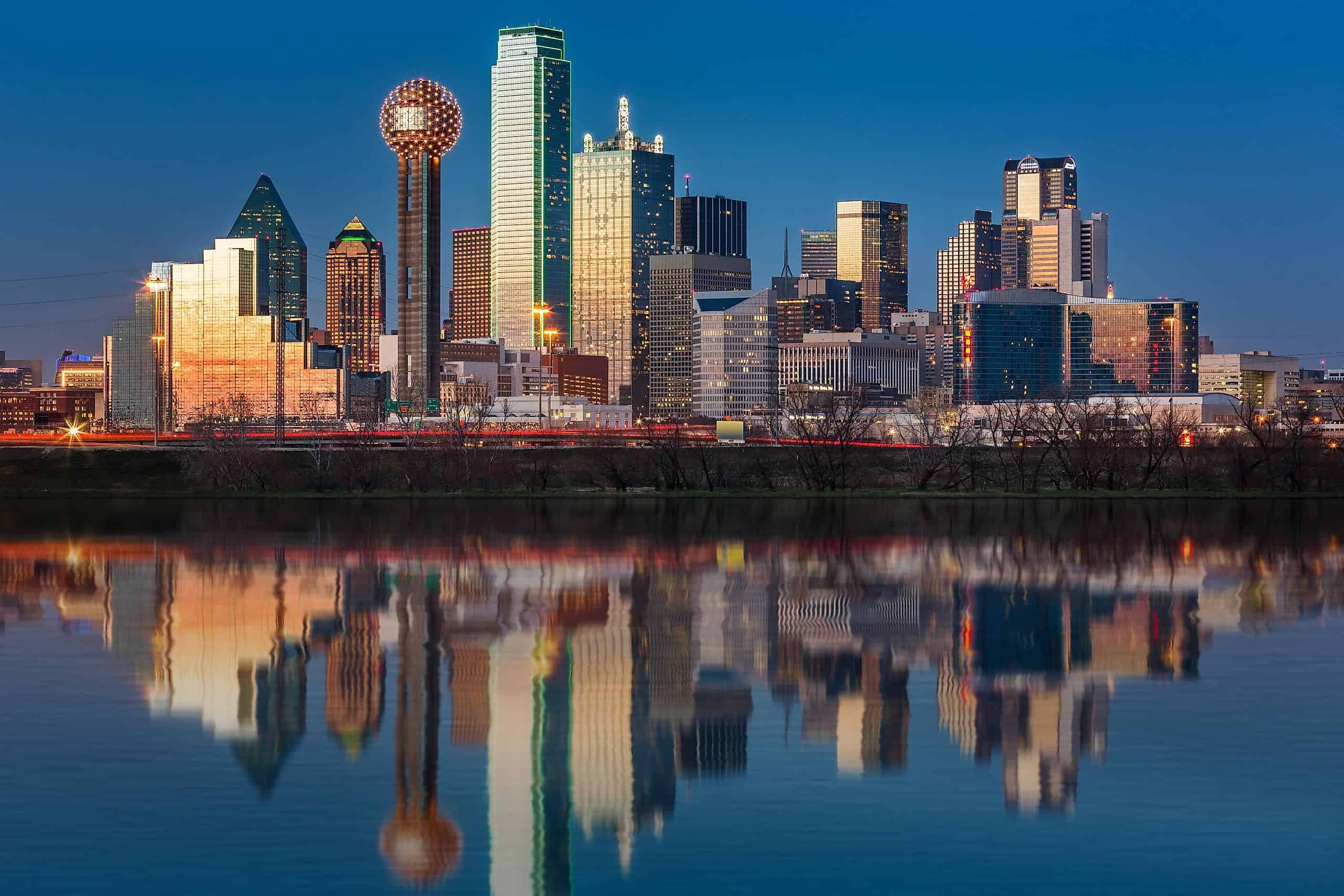
Who Shouldn't Move to Dallas?

We move people to Dallas for a living. Every box we pack is how we pay our own mortgages — which is exactly why you should hear this from us: Dallas is not for everyone. After years of moving families into this city — and occasionally moving unhappy ones back out — we’ve learned the difference isn’t luck. It’s fit, and fit is predictable.
So this guide does what most “should I move to Dallas” articles won’t: it names the real dealbreakers with a straight face, tells you who genuinely thrives here, and explains why the city usually takes a year to click. We’d rather move you here once, happily, than twice.
The Honest Dealbreakers: Who Shouldn't Move to Dallas
Most moving-to-Dallas pros-and-cons lists treat every con as a speed bump you’ll eventually roll over. Some are. But the real reasons not to move to Dallas cluster into five profiles — when people who left explain why, it’s almost always one of these. If you recognize yourself clearly here, no neighborhood tip or restaurant list will fix it.
You want a walkable daily life without planning around it
In most of the metro, a walk is an event you plan, not something that happens on the way to something else. Walkable pockets absolutely exist — Uptown, Bishop Arts, Lower Greenville, the blocks around Klyde Warren Park — and the people who choose them deliberately are among the happiest Dallasites we move. But they’re islands you select on purpose, often at a premium — not the city’s default fabric. If your ideal Saturday is stepping out the door with no plan and drifting through full streets, longtime residents will tell you plainly: you’ll spend real energy recreating what other cities hand you for free.
You hate heat more than you love the sun
June through September brings long stretches of triple-digit heat, and it is not a dry heat. People who eventually left tend to say the same thing: the summers never got easier — each one wore them down a little more. That’s the opposite of adjusting. The honest other half: October through April is genuinely lovely — patio evenings, mild winters. But you don’t get to skip summer, and nobody acclimates their way out of dreading it. If 100 degrees reads as a threat instead of a pool day, believe yourself now.
You can’t — or won’t — do car-centric living
Driving is this city’s operating system. Most errands are a 15- to 20-minute drive; the highways are fast and crowded; and some suburbs run thin on sidewalks. Plenty of people make peace with that; podcasts help. But if driving itself stresses you — the merges, the traffic, the sheer dailiness of it — former residents cite the roads as one of their top reasons for leaving. Walkability is about the life you want; it is a daily tax that compounds.
You need mountains, ocean, or dramatic scenery
This is the dealbreaker that never softens, so we’ll say it plainly: North Texas is flat, and the nearest Gulf beach is a four-plus-hour drive. White Rock Lake, the Katy Trail, and the state parks within a couple of hours are pleasant — truly — but pleasant is not dramatic, and people wired for mountains know the difference in their bones. Former residents who moved back west are the most emphatic leavers we hear about: even after a decade here, the landscape never stopped feeling like an absence. If dramatic scenery sits in your top three, don’t move here hoping to outgrow it.
You measure cities by their transit
On paper, Dallas has one of the longest light-rail networks in the country. In practice, the sprawl outruns it, and most residents rarely ride. If the train was your default — if not owning a car felt like freedom — then this is bigger than a change in commute, and former big-city transplants say they miss transit every day. The lower cost of living never quite filled that hole, which points to a larger truth: “it’s cheaper here” is a real advantage, but not, by itself, a reason to move. Savings fund a life; they don’t replace one.
This guide skips political and cultural fit on purpose — for that, read our honest takes on whether Dallas is liberal or conservative and on moving to Dallas from a blue state.
Who Thrives in Dallas
Now the other side of the ledger — the people who land here and, usually within a year, can’t imagine leaving.
- Space-and-value seekers. If your current city gives you 700 square feet and a parking dispute, Dallas hands back rooms, a yard, a garage, and a margin at the end of the month. To pressure-test that against a real offer, see our breakdown of the salary you need to live comfortably in Dallas.
- Career movers. DFW holds one of the country’s largest concentrations of corporate headquarters, with deep benches in finance, healthcare, and tech. “I came for the job” is the most common opening line of a Dallas story — and “the job kept me here long enough for the city to grow on me” is the most common middle. If your offer is already signed, our full guide to moving to Dallas covers the practical side.
- Family builders. People who’ve lived in coastal cities and returned here to raise kids say it plainly: daily family logistics are simply easier — the parking, the yard, the neighbors with same-age kids. In the right neighborhood, this is still a front-porch, Halloween-candy, cookout culture.
- Food-and-sports people. The restaurant scene runs from legendary Tex-Mex and barbecue through deeply global neighborhoods — this is one of the most diverse metros in America, and you can eat like it. Add a team in every major professional league, and there’s a game to build a weekend around all year long.
- Social builders. Dallas is a transplant city, and its rec leagues, run clubs, improv theaters, volunteer shifts, and pickup games are practiced at absorbing newcomers. Even residents who never fully fell for Dallas grant it: the friendliness is real. If you’re willing to join things, this city meets you more than halfway.
The Year-One Curve: Why Dallas Takes About a Year to Click
Here’s the pattern longtime residents describe so consistently we consider it the most useful thing in this article: most people who love Dallas didn’t love it at first.
Newcomers arriving unimpressed are older than the skyline — one 1850s transplant famously wrote that Dallas was “all right for men and dogs, but hell on women and horses.” What happens next hasn’t changed much either.
The typical arc: months one through ten feel lonely and underwhelming, somewhere around the one-year mark, three things shift, and by year two, leaving sounds absurd. The three things:
- They corrected the neighborhood. The most common Dallas mistake is choosing a home 1,200 miles away for the commute or new construction, landing in a distant suburb, and concluding that the whole metro is one long commercial strip. Residents tell the same conversion story over and over: they moved from a far-out suburb into East Dallas, Oak Cliff, Lower Greenville, Oak Lawn, or an inner suburb with a real downtown, and everything changed. Neighbors on porches. Independent shops. Faces they recognized. The gap between neighborhoods here is the gap between two different cities — choose your square mile more carefully than you chose the metro.
- They made a full lap of the seasons. Most people arrive in summer — peak moving season; we see it from the truck — and judge the city by its harshest quarter. The residents who came around almost always mention their first real fall: the week the heat breaks, the patios refill, and the city they were promised finally shows up. Judge Dallas across twelve months, not August.
- They found their people. When residents describe the moment Dallas clicked, it’s almost never a place — it’s people. A rec volleyball team. A comedy class. A dog-shelter shift. A run club, a chess night, the neighbors at the apartment pool. Building adult friendships takes deliberate joining anywhere, but Dallas rewards it unusually fast, because half the room moved here too. If you want a running start, we keep a list of fun things to do when moving to Dallas for exactly this reason.
The honest coda: some people do the year, pick the right neighborhood, join the things — and it still never clicks. Almost always, they’re the scenery, walkability, or heat profiles from the top of this page. That isn’t failure. That’s fit, and it’s exactly why we wrote this.
A Quick Self-Assessment: Is Dallas Right for Me?
Answer honestly — yes or no:
- Can I be content driving 15–20 minutes to most things, most days?
- Do I love the sun enough to trade three months of triple-digit heat for eight months of patio weather?
- Is dramatic scenery — mountains, ocean, elevation — a nice-to-have rather than a need?
- Would I rather have more space and financial margin than a walkable block by default?
- Am I willing to join leagues, classes, and volunteer shifts to build a friend group from scratch?
- Does access to a huge, diverse job market matter to my next five years?
- Will I choose my specific neighborhood as carefully as I chose the city?
- Can I commit to a full year — including one fall and spring — before passing judgment?
Mostly yes? You match the people who end up loving it here. A no on scenery, heat, or driving? Take it seriously — residents say those three don’t soften with time. Nearly everything else does.
FAQ: Deciding Whether to Move to Dallas
Is moving to Dallas worth it?
For career movers, family builders, and people who want more space and margin without giving up big-city food, sports, and diversity — yes, consistently. It’s a poor trade for people whose top priorities are dramatic scenery, walkability by default, or mild summers. Most people who call the move worth it say so after a year, not a month.
What do people regret about moving to Dallas?
The most common regrets are setup mistakes, not city mistakes: picking a far-out suburb sight unseen, arriving in July and judging the city by August, and waiting for friendships instead of joining things. The deeper, unfixable regret belongs mostly to people who needed mountains, coastline, or a transit-first life and hoped they’d adapt. They usually don’t — better to decide that before anyone loads a truck.
How long does it take to like Dallas?
About a year is the answer residents give most consistently — enough time to fix a neighborhood mismatch, feel the heat break in October, and build a real friend group. Some say two. If you’ve done all three and are still counting exits at year two, believe your experience; at that point, it’s fit, not effort.
Should I live in Dallas proper or the suburbs?
If you lean urban at all, look at Dallas-proper neighborhoods like East Dallas, Oak Cliff, or Lower Greenville before any distant suburb — the two experiences barely resemble each other, and urban-leaning people who default to far suburbs have the roughest first year. Optimizing for space and schools? The suburbs deliver — just walk the actual streets before you sign.
Whatever You Decide, Decide It Once
If the checklist came back mostly yes, we’d love to be the ones who get you here — our long-distance moving team brings families here from all over the country, and watching year one go right is the best part of this job.
If it came back no, then this article cost us a customer and earned you a better decision, and we’re at peace with that math. We’d rather move you here once, happily, than twice. Still on the fence? Call anyway — you’ll get the same straight answers on the phone.