
Things to Consider When Moving to a New City
December 10, 2025
Moving to a new city is one of life’s biggest decisions. Whether you’re relocating for a job, seeking a fresh start, or following a dream, the process requires careful planning and research. This comprehensive guide covers everything you need to know before moving, helping you make informed decisions and ensure a smooth transition.
Before committing to a move, invest time in understanding your potential new home. Start by researching the city’s overall vibe, climate, and lifestyle. Visit if possible—spend a few days exploring different neighborhoods at various times of day. Walk around, visit local coffee shops, and talk to residents about their experiences.
Look into the city’s economic health and job market, even if you already have employment lined up. A thriving local economy provides security and opportunities for career growth. Check unemployment rates, major industries, and whether the city is growing or declining in population.
One of the most critical factors to consider when relocating is affordability. Create a detailed budget comparing your current expenses to what you’ll face in the new city. Housing typically represents the largest expense—research average rent or home prices in neighborhoods that interest you. Don’t forget to factor in property taxes, homeowners insurance, and utility costs, which can vary significantly by region.
Beyond housing, consider everyday expenses like groceries, transportation, healthcare, and entertainment. Some cities have significantly higher costs in specific categories. For example, car insurance rates vary widely by state, and some cities require expensive parking permits. Use online cost of living calculators to get a realistic picture of how your budget will change.
As you research, develop a list of questions tailored to your priorities:
Choosing the right neighborhood can make or break your relocation experience. Different areas within the same city can feel like completely different worlds. When evaluating neighborhoods, consider your daily commute, walkability, access to amenities, noise levels, and safety.
Research school districts if you have children, even if they’re years away from school age—good school districts often correlate with well-maintained neighborhoods and strong property values. Look for neighborhoods with characteristics that match your lifestyle. If you love nightlife, a quiet suburban area might leave you feeling isolated. If you value peace and green space, a bustling downtown apartment might be overwhelming.
If you’re moving without a job secured, understand the local employment landscape. Research major employers, networking opportunities, and professional associations in your field. Some cities have thriving industries that align with certain careers while offering limited options in others.
For those relocating with an employer, questions to ask when moving include details about your relocation package. Will they cover moving expenses, temporary housing, or help with selling your current home? Negotiate these terms before accepting, as they can save you thousands of dollars.
Access to quality healthcare is essential. Research hospitals, specialists, and urgent care facilities in your potential new area. If you have ongoing health conditions, verify that specialists and treatment facilities are available. Check whether your current health insurance will be accepted or if you’ll need to switch providers.
Consider proximity to other essential services like grocery stores, pharmacies, banks, and post offices. In some sprawling cities, running basic errands can consume significant time if you’re not strategically located.
Climate profoundly affects daily life and shouldn’t be underestimated. Moving from a mild climate to one with harsh winters means budgeting for winter clothing, snow tires, and higher heating bills. Conversely, relocating to a hot, humid climate requires air conditioning costs and adjustments to outdoor activities.
Research seasonal weather patterns, natural disaster risks like hurricanes or earthquakes, and how weather impacts the local lifestyle. Some people thrive in seasonal changes while others prefer consistency year-round.
Create a comprehensive moving timeline to stay organized:
Three Months Before:
Two Months Before:
One Month Before:
Moving Week:
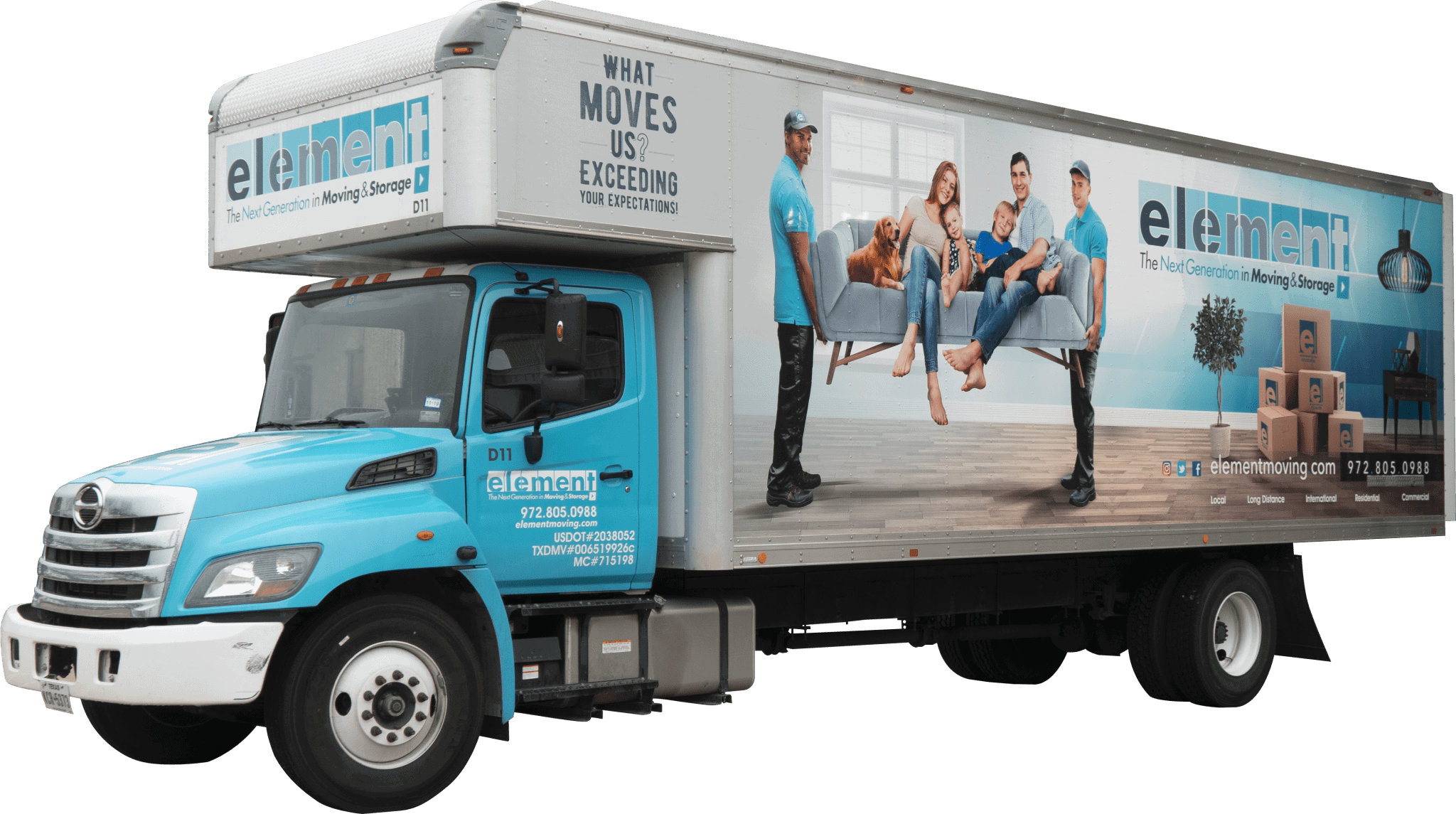
If Dallas is the new city, the “confirm details with movers” line is easier when the crew is local. Our movers in Dallas handle the checklist from the truck side.
Once you arrive, focus on both practical necessities and building your new life. Immediately handle essentials like registering your vehicle, updating your driver’s license, registering to vote, and finding a primary care doctor and dentist.
Within your first few weeks, explore your neighborhood extensively. Find your go-to grocery store, pharmacy, coffee shop, and other regular spots. This helps you feel grounded and establishes routines.
Making friends after moving is one of the biggest challenges people face. Be proactive about meeting people through work, hobby groups, fitness classes, volunteer opportunities, or community events. Apps like Meetup can connect you with people who share your interests. Consider joining professional associations, book clubs, sports leagues, or religious communities if that aligns with your values.
Give yourself grace during this transition. Building meaningful friendships takes time, and it’s normal to feel lonely initially. Stay connected with friends and family from your previous home while actively working to establish new connections.
Before moving, gather important documents and handle necessary legal matters. This includes birth certificates, social security cards, medical records, vehicle titles, insurance policies, and financial statements. Some states require new residents to register vehicles and obtain driver’s licenses within 30-90 days.
Research state-specific regulations that might affect you, including income tax rates (some states have no income tax), vehicle inspection requirements, and voter registration processes.
Moving with Children: Prioritize school research, maintain routines during the transition, involve kids in the process of choosing their new room or decorating, and arrange visits with their old friends when possible.
Moving with Pets: Research veterinarians before moving, ensure your housing allows pets, understand local leash laws and pet regulations, and keep pets’ routines consistent during the transition.
Moving for Retirement: Consider proximity to quality healthcare, accessibility features in housing, cost of living on a fixed income, and opportunities for social engagement and activities.
Stay flexible and maintain a positive attitude. Not everything will go perfectly, and that’s okay. Give yourself at least six months to a year before making major judgments about whether the move was right for you. Initial culture shock and adjustment difficulties are normal.
Keep a list of things you miss about your old city and things you’re discovering that you love about your new one. This helps maintain perspective during challenging moments.
Document your journey through photos or journaling. Years later, you’ll appreciate having a record of this significant life change.
Relocating to a new city represents both an ending and a beginning. While the logistics require careful attention, don’t lose sight of the excitement and opportunity that come with starting fresh. Thorough research and planning will help you avoid common pitfalls and set yourself up for success.
Remember that everyone’s priorities are different. What makes a city perfect for one person might not work for another. Trust your instincts, do your homework, and approach the move as an adventure. With proper preparation and an open mind, relocating can be one of the most rewarding experiences of your life.
Whether you’re thinking of moving or have already made the decision, use this guide as a framework for your planning. Take it one step at a time, stay organized, and don’t hesitate to ask for help from friends, family, or professional services when you need it. Your new city is waiting to become home.
Ready To Move?
Once the research is done and the city is picked, the move itself has the most moving parts: dates, packing, what to store and what to sell. Get a free quote from Element for a long distance move into or out of Dallas.
get a free quote