skip to content link

Movers With Storage Dallas: Pricing & Redelivery Guide

April 22, 2026

If you’re searching for movers with storage Dallas families and office managers can hire for one seamless job, you’re not just paying for a room in a warehouse. You’re buying a managed process: pickup at the origin, transportation to a mover’s warehouse, receiving and inventory control, monthly storage, and a scheduled redelivery when you’re ready.


That matters because the job usually starts like a normal move before anything ever goes into storage. A crew still has to protect furniture, load the truck, document the shipment, and transport it safely. Good Dallas movers then hand the shipment off to warehouse staff for check-in, vaulting, and later release. That is why moving and storage Dallas quotes are usually built in phases rather than as one flat monthly number.

Why mover-managed storage is quoted differently from self-storage

Self-storage is simple. You rent a unit, you drive your own items there, and you can usually walk in during access hours. Mover-managed storage is different. One company handles pickup, transport, warehouse receiving, inventory control, monthly storage, and final delivery back to you. You are paying for labor, logistics, handling standards, and accountability, not just square footage.


That is why a mover-managed warehouse quote is usually tied to a relocation workflow. The company has to estimate what will happen at the origin, how much space your shipment will actually occupy after loading, what kind of storage environment it needs, and what it will take to deliver everything later. For many customers, the real purchase is convenience: fewer handoffs, less risk of damage from repeated loading and unloading, and one point of contact from start to finish.


The tradeoff is access. In most managed warehouse setups, your items are not sitting in a public unit you can open whenever you want. They are inventoried, stacked, padded, vaulted, or otherwise organized for secure storage. If you need something back, you usually request a warehouse pull and schedule an appointment. That system is often worth it, but it is a very different product from a cheap self-storage special.

From pickup to vaulting: what happens on the first leg

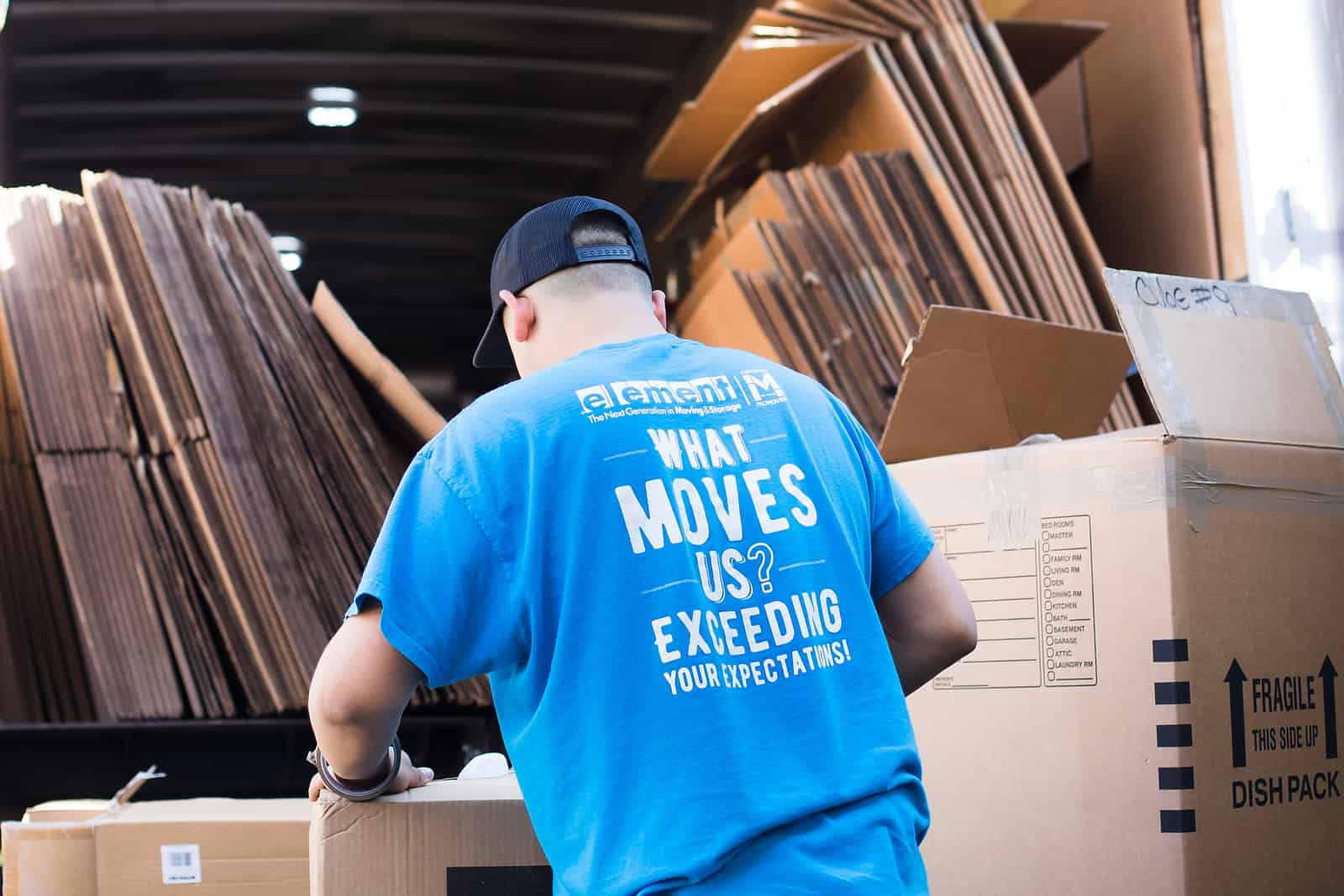
The first leg usually begins with a survey or estimate. The mover looks at what is being stored, what must be packed, what access is like at the origin, and whether anything needs special handling. On moving day, the crew may pack loose items, protect furniture, disassemble beds or conference tables, load the truck, and create an inventory as pieces are tagged and recorded. After transport to the warehouse, staff check the shipment in and place it into vaults or designated storage areas.


The inventory step matters more than many people realize. A clear inventory supports accurate storage billing, helps confirm what actually entered the warehouse, and makes valuation claims easier to sort out if damage or loss is ever reported. It also makes redelivery smoother. Instead of guessing which sofa, desk, or carton belongs in which room or department, the warehouse and delivery crew can work from a documented list.


Many first-leg costs are driven by time and complexity, not just the number of boxes. Crew size, packing labor, stairs, elevators, long carries from door to truck, shuttle requirements for tight buildings, and specialty handling for pianos, safes, artwork, or large electronics can all raise origin charges. Office moves add another layer. A business pickup may be phased over several days, done after hours, organized by labeled furniture and equipment zones, and documented with chain-of-custody procedures for computers, files, or other assets.

The 3 parts of a Dallas moving-and-storage quote

The easiest way to read a moving and storage cost Dallas quote is to break it into three buckets: origin charges, storage charges, and redelivery charges. If you only look at one advertised number, you can miss where the real cost lives.


Origin charges usually cover the first move into storage. That can include the survey, packing materials, packing labor, loading labor, transportation from your home or office to the warehouse, warehouse receiving, and the initial inventory process. Residential local work is often hourly. Some services, such as specialty crating or long-carry conditions, may be added separately.


Storage charges are usually monthly, but the billing method varies. Some movers charge by vault count. Others bill by cubic feet or by the actual volume confirmed after loading. Climate control, special protection, or item-specific requirements can raise the monthly rate. If you only need a brief hold between closings, renovations, or office build-out dates, ask how the company handles short-term storage in Dallas, minimum billing periods, and whether the monthly amount changes once final shipment volume is confirmed.


Redelivery charges cover the second move out of storage. That can include pulling the shipment from the warehouse, dispatching a truck, transporting it to the destination, unloading, room placement, reassembly, unpacking, and debris removal. Redelivery is often quoted later if the destination address, building rules, or final item count are not yet known.


Which part is fixed versus variable depends on the move type. Local pickup and local redelivery are often hourly, especially when access conditions can change the time on site. Monthly storage is usually billed by the month, but the amount may be adjusted after actual volume is confirmed at warehouse check-in. Destination details such as stairs, elevator reservations, long carries, or white-glove setup can also shift the final delivery number.


A few examples show why structure matters. A one-bedroom apartment may have modest storage volume but still cost more at pickup if the building has a long walk, elevator reservation rules, and limited dock time. A four-bedroom family home may have simpler truck access but far more labor, furniture pads, and specialty items. A small office may not use much storage by volume, yet project management, after-hours work, and staged delivery can outweigh the warehouse line item. The lowest monthly number rarely tells the whole story.

What vaulting, climate control, and access rules really cost

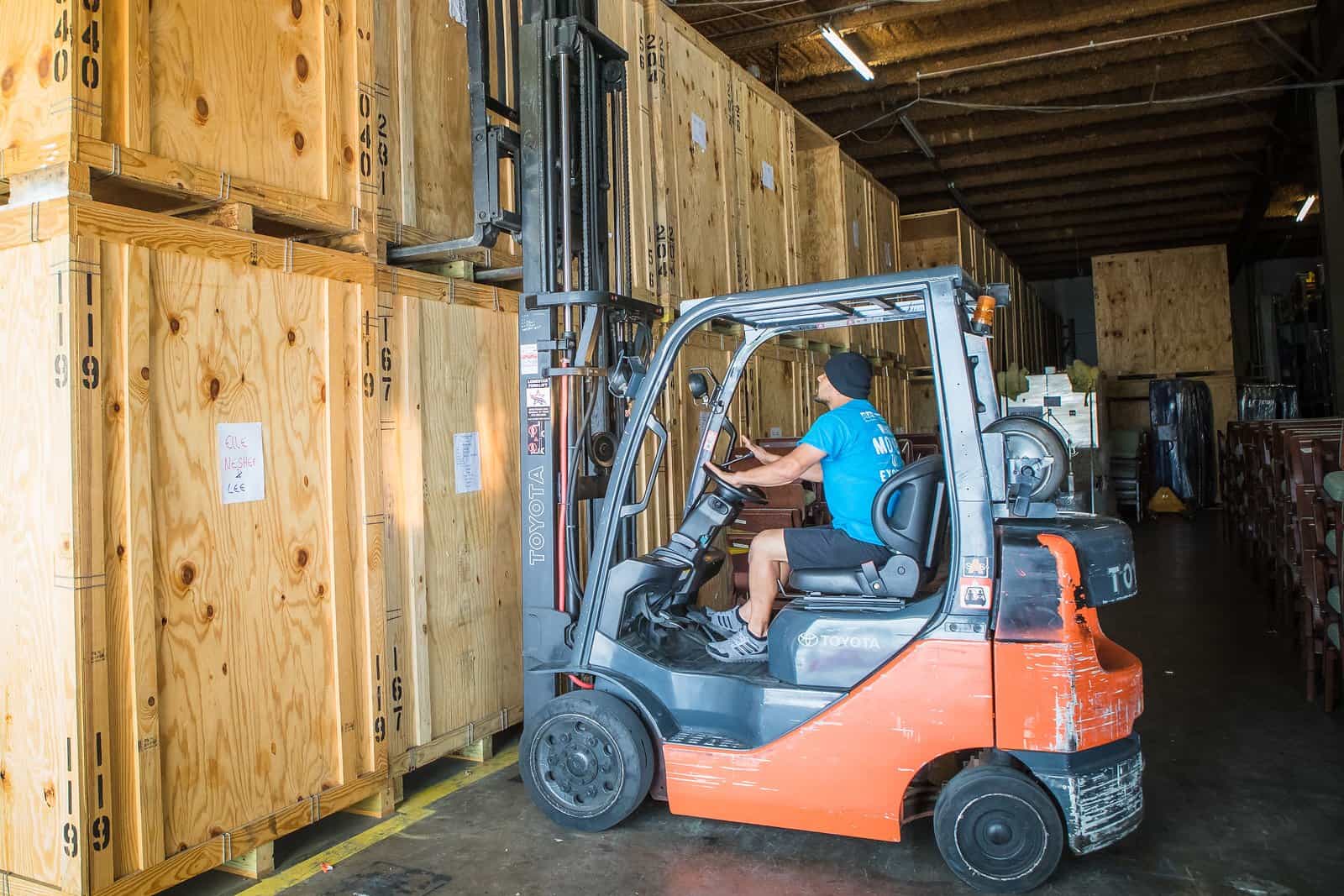
In a mover warehouse, “vaulted storage” usually means your shipment is received, inventoried, and placed into wooden vaults or other controlled warehouse sections rather than into a drive-up unit. Pricing may be based on vault count, cubic footage, or actual confirmed inventory volume. If you need climate-controlled storage in Dallas, expect the monthly rate to be higher because the warehouse is maintaining a more protective environment for wood furniture, leather, artwork, electronics, documents, or wine. For the right items, many customers decide the added monthly cost is worth it.


Access rules are also part of the price, even when they are not shown as a large line item upfront. Managed storage usually means scheduled access, not walk-in access. If you want one chair, a file cabinet, or a few cartons before the full redelivery, the warehouse may need advance notice to locate the inventory, pull the correct pieces, and stage them for pickup or delivery. That takes labor. It may also require rehandling other goods that were stacked for efficient long-term storage.


This is where overlooked fees show up. Ask about warehouse pull charges, partial-release fees, rehandling fees, admin fees, and minimum storage terms. Also ask what protection standards are required for high-value items. Some pieces may need custom crating, extra wrapping, upright storage, palletizing, or isolated placement. The monthly storage rate can look reasonable until these access and protection details are added back in.

How redelivery is priced when you want items back

A common misconception is that once you have paid monthly storage, getting your items back should be cheap or automatic. In practice, redelivery is a second move. The warehouse has to locate the shipment, pull it, prepare it for transport, load it, dispatch a truck, and send a crew to unload and place everything at the destination.

That second leg can be basic or full-service. A simple redelivery may include truck transport and unloading to the first practical spot. A more complete service can include room-by-room placement, reassembly of beds or office furniture, unpacking, debris removal, and coordination with building management. Each layer adds labor and time, which is why it shows up in the quote.

Destination details matter just as much as warehouse details. Stairs, elevators, narrow delivery windows, long carries, rural routes, multiple stops, and building certificate or insurance requirements can all change the labor plan. If the crew has to deliver to a high-rise condo, a storage facility, and a second home on the same order, the pricing will reflect that complexity.

Partial releases usually cost more per item than one full scheduled delivery. The same is true for multiple stops, rush requests, weekend work, or narrow delivery windows. For businesses, staged redelivery by floor, department, or project phase may increase handling, but it can still be the smarter spend if it reduces employee downtime and lets operations restart faster.

How pricing changes for apartments, family homes, and offices

Smaller residential moves often look cheaper on paper because there are fewer items. Sometimes they are. But apartments in Dallas high-rises and dense urban buildings can create access costs that surprise people: elevators, reserved loading bays, long hallways, parking limits, and restricted move windows. A compact move with difficult access can take more labor than a larger house with easy truck access.


Family homes tend to have the opposite cost profile. Access is often easier, but volume is higher. More furniture, more cartons, more rooms, and more specialty items can increase packing time, loading time, vault count, and final redelivery labor. Homes are also more likely to include pieces that justify climate control or extra protection, such as solid-wood furniture, antiques, art, mirrors, chandeliers, or home gym equipment.

Office storage moves are different again. The work may involve project planning, employee disruption concerns, furniture breakdown and reinstallation, equipment handling, and after-hours scheduling. Companies looking at commercial storage in Dallas should also ask about phased pickup and phased redelivery, labeled zones for departments, and chain-of-custody documentation for equipment and files. Equipment-heavy businesses may need crating, palletizing, or controlled handling that changes both pickup and storage pricing. In these cases, the cheapest monthly warehouse number is often not the lowest total cost once labor, access, and downtime are included.

Questions to ask before comparing movers with storage in Dallas

Before you compare quotes, slow down and ask a few specific questions:


  • How do you measure storage volume: by vault, by cubic feet, or by actual inventory after loading?
  • Can the final bill change after the shipment is loaded and the true volume is confirmed?
  • Is climate control standard or optional, and which items do you recommend storing in that environment?
  • What protection level is used for high-value, fragile, or temperature-sensitive items?
  • How much notice do I need to access something in storage?
  • What are the pull fees, partial-release fees, rehandling charges, admin fees, and minimum storage terms?
  • How quickly can redelivery be scheduled, and do rush requests cost extra?
  • Will my written estimate separate pickup, monthly storage, and redelivery so I can compare bids fairly?


That last question matters most. A clear quote lets you compare apples to apples. When a company separates origin charges, monthly storage, and final delivery, you can see what you are actually buying and choose the level of service that fits your move, your timeline, and your risk tolerance.

Get a Free Quote