skip to content link

Tips for Moving Heavy Items

September 2, 2025

Moving heavy furniture doesn’t have to feel like wrestling a stubborn toddler into dress clothes! Whether you’re relocating a massive sectional sofa, a solid wood dining table, or that vintage armoire you inherited from grandma, the challenges of moving heavy items can transform even the most organized person into a stressed-out mess.

The good news? With proper planning, the right equipment, and proven techniques, you can safely move heavy furniture without injury or damage. This comprehensive guide covers everything from pre-move preparation to professional moving strategies, ensuring your heavy items arrive at your new home intact.

Why Moving Heavy Furniture Requires Special Attention

Moving heavy items presents unique challenges that standard moving advice doesn’t address. Heavy furniture can cause serious injury, property damage, and moving delays if handled improperly. According to the Bureau of Labor Statistics, overexertion injuries account for over 30% of all moving-related injuries, with most occurring during furniture relocation.

Weight Categories and Risk Assessment

Understanding furniture weight categories helps you plan appropriately:

Light Heavy (50-100 lbs): Dressers, nightstands, small bookcases

  • Can typically be moved by 2 people with basic equipment

Medium Heavy (100-250 lbs): Couches, dining tables, large dressers

  • Requires proper equipment and 2-3 people

Heavy (250-500 lbs): Armoires, piano benches, large sectionals

  • Needs specialized equipment and 3-4 people

Extra Heavy (500+ lbs): Pianos, gun safes, industrial equipment

  • Professional moving services strongly recommended

Pre-Move Planning Essentials

Measure Everything First

Before attempting to move any heavy furniture, measuring dimensions and weight is absolutely crucial. This preparation helps you:

  • Plan the most efficient route through your home
  • Determine necessary equipment and assistance
  • Avoid getting stuck halfway through doorways
  • Prevent damage to furniture and property

Measure both your furniture and your pathways:

  • Furniture: Length, width, height, and estimated weight
  • Doorways: Width and height of all door frames
  • Hallways: Width, length, and any turns or obstacles
  • Stairways: Width, height clearance, and turn radius

Create a Moving Route Map

Walk through your planned route and identify:

  • Tight corners that require furniture tilting
  • Stairs requiring extra assistance
  • Obstacles that need removal
  • Areas where walls or floors need protection

Essential Tools and Equipment for Moving Heavy Furniture

Moving heavy items safely requires the right equipment. Investing in proper tools protects both your belongings and your body from injury.

Must-Have Moving Equipment

Moving Dollies and Hand Trucks

For furniture weighing 50-150 lbs, a quality folding hand truck like the Cosco Shifter 300-lb capacity dolly provides excellent value at around $35-50.

For heavier pieces (150-300 lbs), invest in a furniture dolly with a wider base and higher weight capacity. Four-wheel furniture dollies distribute weight better and offer more stability than two-wheel hand trucks.

For extremely heavy items (500+ lbs), consider renting professional-grade equipment like appliance dollies with straps or motorized stair climbers.

Furniture Sliders and Moving Pads

Furniture sliders reduce friction and protect floors while moving heavy pieces across rooms. Use:

  • Hard plastic sliders for carpeted surfaces
  • Felt-backed sliders for hardwood and tile floors
  • Moving blankets to protect furniture finishes

Lifting Straps and Moving Harnesses

Moving straps distribute weight across your stronger muscle groups, reducing back strain. The Forearm Forklift Lifting System is highly rated by professional movers for items up to 800 lbs.

Additional Essential Tools

  • Heavy-duty moving gloves for better grip
  • Screwdriver set for disassembly
  • Plastic bags for storing hardware
  • Measuring tape
  • Level for checking doorway clearances
  • Basic toolkit for quick adjustments

Safety Equipment

Personal Protective Equipment

  • Steel-toed boots or sturdy closed-toe shoes
  • Work gloves with grip enhancement
  • Back support belt (though proper technique is more important)
  • Knee pads for floor-level work

Property Protection

  • Moving blankets and furniture pads
  • Plastic wrap for upholstered items
  • Corner guards for doorways and walls
  • Floor protection runners

Step-by-Step Techniques for Moving Heavy Furniture

Disassembly: Your First Line of Defense

When to Disassemble Furniture

Breaking down heavy furniture into components makes moving safer and easier. Always disassemble when possible:

Bed Frames: Remove headboards, footboards, and side rails Dining Tables: Detach legs if possible Sectional Sofas: Separate individual sections Dressers and Armoires: Remove drawers and doors Bookshelves: Remove shelves and backing panels

Disassembly Best Practices

  • Take photos before disassembly for easy reassembly
  • Store all hardware in labeled plastic bags
  • Keep assembly instructions with the furniture
  • Use appropriate tools to avoid damage
  • Mark matching pieces with removable tape

Proper Lifting Techniques

The Foundation: Proper Body Mechanics

Incorrect lifting causes most moving injuries. Follow these ergonomic lifting guidelines from OSHA:

  1. Plan Your Lift: Know where you’re going and clear the path
  2. Get Close: Position yourself as close to the object as possible
  3. Squat Down: Bend at knees and hips, not your back
  4. Secure Grip: Use both hands and get a firm hold
  5. Lift Smoothly: Use leg muscles, keep back straight
  6. Move Carefully: Take small steps, don’t twist your spine
  7. Set Down Safely: Squat again to place the item

Team Lifting Coordination

When multiple people are involved:

  • Designate one person as the leader
  • Ensure everyone is the same general height
  • Communicate clearly throughout the move
  • Move at the pace of the slowest person
  • Take breaks when anyone feels tired

Navigating Narrow Spaces and Doorways

The Tilt and Pivot Method

Made famous by the TV show Friends, the “pivot” technique actually works for many furniture pieces:

  1. Measure First: Ensure the item can physically fit through the opening
  2. Position the Item: Angle furniture to find the optimal entry position
  3. Coordinate Movement: One person guides while others provide lifting support
  4. Go Slow: Rush movements lead to damage and injury
  5. Protect Surfaces: Use moving blankets on contact points

Alternative Techniques for Tight Spaces

  • Hook Method: For couches, try angling them in an L-shape through doorways
  • Vertical Method: Stand tall furniture on end if ceiling height allows
  • Removal Method: Sometimes removing door frames or temporary window removal is easier

Stair Navigation Strategies

Moving Heavy Furniture Up or Down Stairs

Stairs present the greatest challenge when moving heavy items. Professional techniques include:

Preparation

  • Always have one person at the top and one at the bottom
  • The person at the lower end bears more weight
  • Use a spotter to watch for obstacles
  • Take frequent breaks

Equipment for Stairs

  • Stair climbing dollies with special wheels
  • Moving straps for better weight distribution
  • Extra padding for stair edges and walls

When Not to Attempt Stairs

  • Items over 200 lbs without professional equipment
  • Narrow or winding staircases
  • When team members are significantly different heights
  • If anyone has back problems or physical limitations

Safety Guidelines and Injury Prevention

Common Moving Injuries and Prevention

Back Injuries: Account for 60% of moving-related injuries

  • Prevention: Proper lifting technique, team lifting, equipment use
  • Warning Signs: Sharp pain, muscle spasms, numbness

Cuts and Scrapes: From sharp furniture edges or broken items

  • Prevention: Wear gloves, use furniture pads, move slowly
  • First Aid: Clean wounds immediately, bandage appropriately

Foot Injuries: From dropped items or poor footwear

  • Prevention: Steel-toed boots, clear pathways, secure grips
  • Treatment: Ice, elevation, medical attention for severe injuries

When to Stop and Reassess

Recognize these warning signs that indicate you should pause:

  • Anyone feeling dizzy or overexerted
  • Furniture shifting in your grip
  • Pathway obstacles you hadn’t noticed
  • Equipment malfunction or inadequacy
  • Weather conditions making surfaces slippery

Emergency Procedures

If Someone Gets Injured

  1. Stop all moving activity immediately
  2. Assess the severity of the injury
  3. Apply basic first aid if trained
  4. Call 911 for serious injuries
  5. Document the incident

If Furniture Gets Damaged

  1. Stop and assess the damage
  2. Take photos for insurance purposes
  3. Determine if the item is safe to continue moving
  4. Adjust your technique or get additional help

When to Hire Professional Heavy Item Movers

Scenarios Requiring Professional Help

Mandatory Professional Moving Situations

  • Pianos (upright or grand)
  • Gun safes over 300 lbs
  • Industrial equipment
  • Antique or high-value furniture
  • Items requiring special handling
  • Multi-story moves with heavy items

Strong Recommendations for Professional Help

  • Anyone with physical limitations
  • Items over 300 lbs
  • Valuable or irreplaceable pieces
  • Tight spaces requiring furniture disassembly
  • Time constraints
  • Lack of appropriate equipment

Choosing the Right Moving Company

When selecting a moving company for heavy item relocation, consider:

Essential Qualifications

  • Licensed and insured
  • Specialized heavy item experience
  • Proper equipment and training
  • Positive customer reviews
  • Transparent pricing

Questions to Ask Potential Movers

  • Do you have experience with my specific type of furniture?
  • What equipment do you use for heavy items?
  • How do you protect floors and walls during moves?
  • What happens if my furniture gets damaged?
  • Can you provide references from similar moves?

Professional Moving Services Advantages

Safety Benefits

  • Trained professionals with proper technique
  • Professional-grade equipment
  • Insurance coverage for injuries and damage
  • Experience with challenging moves

Efficiency Benefits

  • Faster completion times
  • Reduced risk of damage
  • No equipment rental costs
  • No need to recruit friends for help

Peace of Mind Benefits

  • Professional liability coveragec
  • Expertise in comparing moving quotes
  • Knowledge of local regulations
  • Proven track record

Cost Considerations for Heavy Furniture Moving

DIY Moving Costs

Equipment Rental

  • Basic dolly rental: $20-40/day
  • Furniture dolly: $30-50/day
  • Moving straps: $15-30 (purchase)
  • Protective materials: $25-50

Hidden DIY Costs

  • Potential injury medical bills
  • Property damage repairs
  • Time off work for moving
  • Truck rental and gas
  • Helper compensation

Professional Moving Costs

Factors Affecting Professional Pricing

  • Item weight and dimensions
  • Distance of move (local vs. long-distance)
  • Accessibility challenges (stairs, narrow doorways)
  • Additional services (packing, storage)
  • Time of year and day of week

Average Professional Moving Costs

  • Local heavy item moving: $100-300 per item
  • Long-distance heavy item moving: $200-600 per item
  • Specialty items (pianos, safes): $300-1,000+
  • Full-service moving: $80-120 per hour for 2-3 movers

Money-Saving Tips

DIY Cost Reduction

  • Borrow or rent equipment instead of buying
  • Recruit helpers with promise of pizza and drinks
  • Declutter before moving to reduce items
  • Choose optimal moving dates (avoid peak times)

Professional Moving Savings

  • Get multiple quotes and compare services
  • Book during off-peak times (mid-month, mid-week)
  • Handle your own packing to reduce labor costs
  • Consider partial professional help (stairs only)

Common Heavy Furniture Moving Mistakes

Planning Mistakes

Insufficient Preparation

  • Not measuring furniture and doorways
  • Failing to clear pathways
  • Underestimating help needed
  • Poor timing and scheduling

Equipment Mistakes

  • Using inadequate or wrong equipment
  • Renting equipment without learning proper use
  • Skipping protective materials
  • Not having backup tools available

Execution Mistakes

Lifting and Carrying Errors

  • Poor body mechanics
  • Attempting to lift too much weight
  • Inadequate communication between helpers
  • Rushing through difficult moves

Route and Navigation Mistakes

  • Not testing the route beforehand
  • Ignoring tight spots and obstacles
  • Poor coordination in narrow spaces
  • Inadequate protection for walls and floors

Recovery Strategies

When Things Go Wrong

  1. Stop immediately and assess the situation
  2. Take a break to regroup and plan
  3. Consider getting additional help or equipment
  4. Don’t be afraid to call professionals mid-move
  5. Document any damage for insurance purposes

Specialized Heavy Items: Unique Considerations

Piano Moving

Pianos require specialized knowledge and equipment. Even small upright pianos weigh 300-500 lbs, while grand pianos can exceed 1,000 lbs. Professional piano movers use:

  • Piano dollies with special wheels
  • Piano boards for stairs
  • Protective padding designed for pianos
  • Specialized knowledge of piano construction

Gun Safe Relocation

Gun safes present unique challenges due to their extreme weight (often 500-2,000+ lbs) and security requirements. Professional safe movers provide:

  • Hydraulic lifting equipment
  • Specialized dollies rated for extreme weights
  • Knowledge of safe construction and balance points
  • Insurance coverage for high-value contents

Antique and Valuable Furniture

Moving valuable or antique furniture requires extra care and specialized techniques. Consider professional services that offer:

  • Custom crating for extremely valuable pieces
  • Climate-controlled transportation
  • Specialized insurance coverage
  • Experience with restoration-quality handling

Technology and Moving Heavy Items

Modern Moving Apps and Tools

Planning Apps

  • Moving checklist apps for organization
  • Room measurement apps using phone cameras
  • 3D modeling apps to visualize furniture placement
  • Inventory tracking apps with photos

Equipment Innovation

  • Smart dollies with weight sensors
  • Motorized stair climbers for heavy items
  • Ergonomic lifting devices with mechanical advantage
  • GPS tracking for moving trucks

Future of Heavy Item Moving

The moving industry continues evolving with new technologies:

  • Robotic assistance for heavy lifting
  • Augmented reality for route planning
  • IoT sensors for monitoring item condition during transport
  • Advanced materials for lighter, stronger moving equipment

Seasonal Considerations for Heavy Furniture Moving

Weather Impact on Heavy Item Moving

Summer Moving Challenges

  • Heat exhaustion risk during extended moves
  • Increased injury risk due to fatigue
  • Protective equipment becomes uncomfortable
  • Need for frequent hydration breaks

Winter Moving Considerations

  • Slippery conditions increase fall risk
  • Cold weather affects equipment performance
  • Limited daylight hours for complex moves
  • Need for weather protection of furniture

Optimal Moving Seasons

  • Spring and fall offer best weather conditions
  • Moderate temperatures reduce fatigue
  • Better visibility for safety
  • Equipment performs optimally

Regional Considerations and Local Regulations

Building Regulations and Moving Restrictions

Apartment and Condo Rules

  • Elevator reservations for large items
  • Moving hour restrictions
  • Damage deposit requirements
  • Insurance liability requirements

HOA and Neighborhood Restrictions

  • Moving truck parking limitations
  • Noise ordinances affecting moving times
  • Damage prevention requirements for common areas
  • Advance notification requirements

Local Moving Resources

Finding Local Help

  • Community forums for moving assistance
  • Local equipment rental companies
  • Regional moving company networks
  • Municipal resources for large item disposal

Environmental Considerations

Sustainable Moving Practices

Eco-Friendly Equipment

  • Reusable moving supplies instead of disposables
  • Biodegradable packing materials
  • Energy-efficient moving trucks
  • Equipment sharing programs

Furniture Lifecycle Management

  • Donation options for unwanted heavy items
  • Recycling programs for damaged furniture
  • Upcycling opportunities for old pieces
  • Responsible disposal of hazardous materials

Conclusion: Making Heavy Furniture Moving Manageable

Moving heavy furniture doesn’t have to be a nightmare. With proper planning, the right equipment, and smart techniques, you can safely relocate even the heaviest items. Remember these key points:

Essential Success Factors

  • Measure everything before you start
  • Invest in proper equipment or professional help
  • Use correct lifting techniques
  • Don’t hesitate to get additional assistance when needed
  • Prioritize safety over speed

When to Go Professional If you’re dealing with items over 250 lbs, valuable antiques, or challenging logistics like stairs and narrow doorways, professional movers offer expertise, equipment, and insurance that make the investment worthwhile.

Planning Pays Off The most successful heavy furniture moves happen when you take time to plan, prepare, and practice safe techniques. Whether you’re doing it yourself or hiring professionals, preparation is the foundation of a successful move.

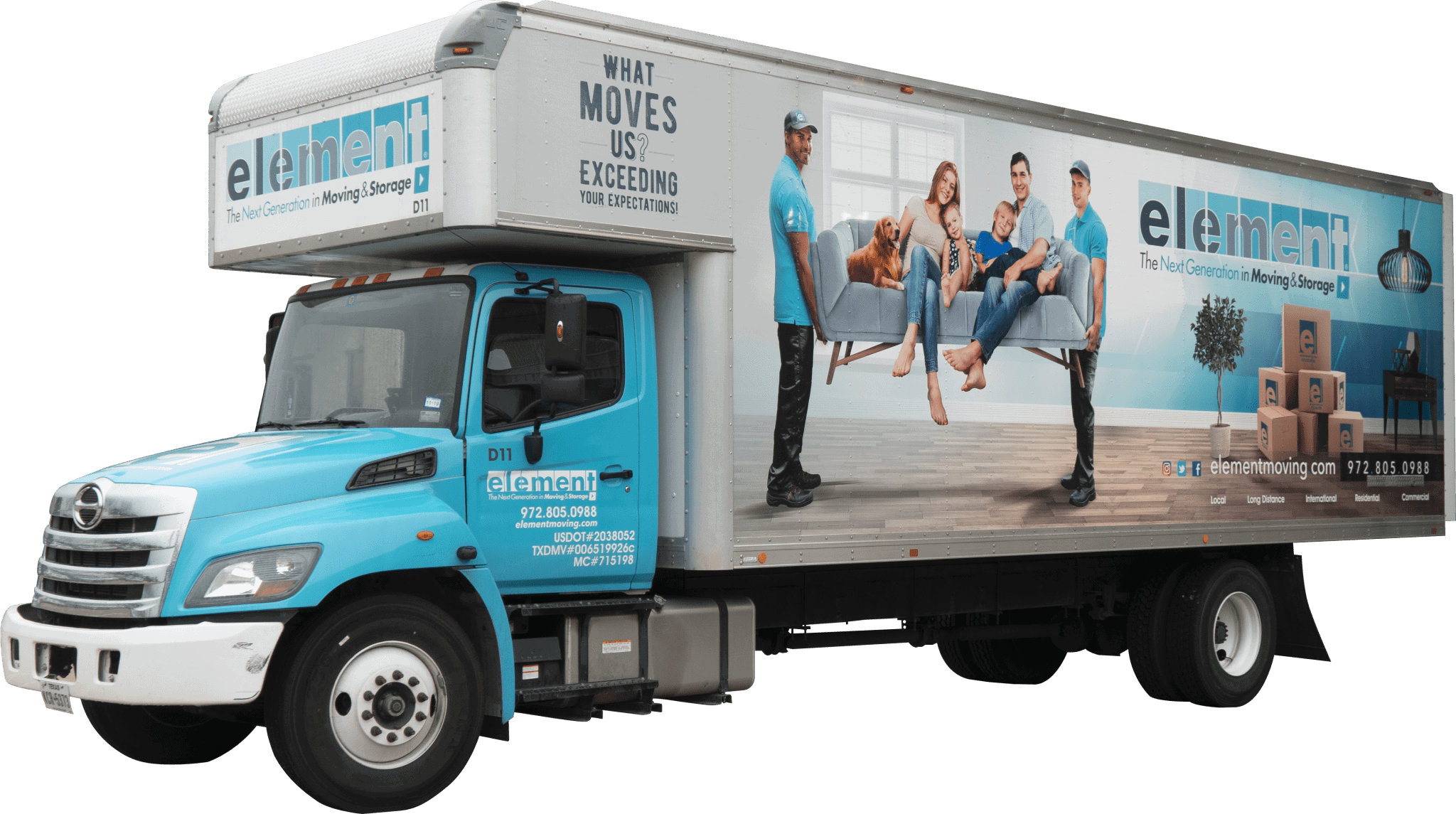
Ready to tackle your heavy furniture move? Remember that Element Moving & Storage specializes in challenging relocations, offering the expertise and equipment needed for safe, efficient heavy item transportation. From pianos to gun safes and everything in between, professional movers can turn your most stressful moving challenges into smooth, worry-free experiences.

For safe, professional heavy furniture moving services, contact experienced movers who understand the unique challenges of relocating your most valuable and cumbersome possessions.

Ready To Move?

We Make It Easier.

Ready to move your valuable items safely? Contact Element Moving & Storage today for expert custom crating services in Dallas-Fort Worth. Get a free quote and let us provide the best care for your delicate items, from artwork to antiques. Your peace of mind is just a call away!

get a free quote
dallas movers
Get a Free Quote